
Topic related posts
-

Should JavaScript devs build real things?
JavaScript is leaving the browser and entering the real world. Is this just a bunch of web devs playing with hardware or are we starting to see a fundamental shift in the direction web technologies are taking?
-

The ClickFail of Australian Retail.
The coming of age of online retail in Australia crashed and burned in Australia tonight due to lack of preparation and hubris. It could have been so different.
-

Datatium - a material to create responsive experiences
Device responsive design is only one part of context. These are the sketch notes that underpinned a talk at WDS2012 on the wider aspects of using data in responsive design approaches.
-

Humanising the Internet of Things
Just making your device "smart" isn't enough - it needs to also be usable. The human aspects of IoT are consistently forgotten in this new interaction space.
-

We are the champions... of the web
The "problem" with the web is it's lack of control, but it doesn't need control, it only needs an unruly mass of champions to defend it and let the process unfold to win.
-

Neo-Futurism in the Information Age
Finally the gloom of the GFC appears past and the web community are attempting to dream big ideas again - a summary of WDS11.
-

On a post-flash world and Adobe's place within it
Sacred cows in the Adobe world finally appear to be on the BBQ. Recent signals from the tooling company suggest Flash may finally be about to die - and not too soon.
-

Device API - Applications of DeviceMotion & DeviceOrientation
Modern smartphones are jam-packed with sensors attached to them. This data is now available for use in the mobile web browser too. Here's some things you can do with them.
-

The web of intent
Web applications could handle common tasks such as sharing or pinning using an Intent oriented design.
-

Android fragmentation: really not a big deal
Android fragmentation is real but manageable, and hardly unique in software history. How did we get here and what practical tactics can developers use to cope with device diversity?
-
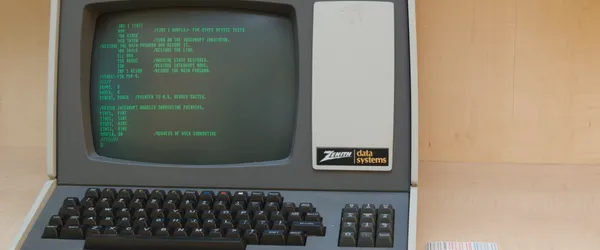
Computers are finally becoming personal
A holiday without a laptop highlighted how computing has shifted to personal, consumption-first devices. Reflections on the rise of tablets and smartphones and what that means for creators and openness.
-

Thingstreams - the future of product / consumer dialogue
As consumers engage more directly with each other, how to brands understand what is happening in the "backchannel"?
-

Adobe - Narayen's kingdom for a plan...
Adobe's Flash-era dominance is crumbling under mobile pressure and a lack of strategic focus. Adobe needs a hard reset. Drop bloated products, focus on core tools, and innovate fast.
-

An Open Internet call to arms
Australia's proposed internet filter is winning the emotional argument, not the technical one. We need a voluntary one-day 'censor the net' demonstration to show the public what's at stake.
-

iPad - ALMOST great
The iPad hardware is outstanding in its simplicity but is a little weak presently on the software but will get better.
-

AdMob purchase opens door to new funding models
The AdMob purchase by Google paves the way for some interesting developer funding opportunities
-

Phorm over function?
Phorm's ISP-level tracking raises serious privacy concerns even if the data is anonymous. Opt-out tracking erodes trust and could spark a privacy-first backlash or new laws.
-

DVD Jon strikes again
DVD Jon's latest hack targets iTunes lock-in and revives the argument that purchased media should be playable anywhere.
-
Why industries can still be revolutionised on the web
Too many industries still ship broken, confusing websites, which means basic design and information architecture can still be disruptive. The web still has plenty of room to be rebuilt.
-
The warm glow of site launch
A site launch brings equal parts exhaustion, relief and adrenaline, and it's a feeling shared across all engineering disciplines. Reflections on teams, pride and shipping real work into the world.
-

Potent messages of impotent industries
The TorrentSpy case is another skirmish in the MPAA's war on file sharing, but the lawsuits only spur new tools. The real fix is better distribution and pricing, not courtroom victories.
-

Let the new gaming witch hunt begin
Another moral panic around games misses the real issue of parenting and supervision. Blaming the industry ignores how adults choose, buy and monitor the content their kids consume.
-

Is £180 good value for Wii Sports?
Buying a Wii for Wii Sports felt odd, but the shared play time quickly justified the cost. Even without many must-have games, the console proves its value through simple, social play.
-

DRMed for Life
The DRM arms race punishes legitimate buyers who just want to use media across their devices. Studios should drop restrictive locks, focus on better content and policing, and stop treating customers as pirates.