
Topic related posts
-

Dating, AI and digital twins
Snack’s AI dating gimmick is another marker in a broader shift toward digital twins and AI assistants handling everyday tasks.
-

Making the move to metalsmith
I moved this site from WP to metalsmith.io in order to get a more pure authoring experience. The result is good, though there were a few gotchas along the way.
-

The meandering journey of NodeBots Interchange
What started as a plan to simply make components work a bit better with NodeBots turned into a way of managing any firmware using JavaScript.
-

Should JavaScript devs build real things?
JavaScript is leaving the browser and entering the real world. Is this just a bunch of web devs playing with hardware or are we starting to see a fundamental shift in the direction web technologies are taking?
-

The ClickFail of Australian Retail.
The coming of age of online retail in Australia crashed and burned in Australia tonight due to lack of preparation and hubris. It could have been so different.
-

Web Facilitated Play in the Real World
How can physical interaction with digital media augment the experience of both and what part does the web have to play in this space?
-

Is this the end of Windows Server?
A sacred cow has been bumped off over at Micrsoft with Linux now available in Azure instances. This is a major change in the server OS world.
-

Humanising the Internet of Things
Just making your device "smart" isn't enough - it needs to also be usable. The human aspects of IoT are consistently forgotten in this new interaction space.
-

Towards a sensor commons
A quiet revolution is taking place in the Internet of Things world and it isn't one being orchestrated top down by the companies who want to Internet enable everything and make smart cities.
-

App stores are delivery channels not search engines
The main purpose of the app store is not discovery, it's to simplify the installation process to get an app on your device. Discovery continues to happen through other channels.
-

We are the champions... of the web
The "problem" with the web is it's lack of control, but it doesn't need control, it only needs an unruly mass of champions to defend it and let the process unfold to win.
-

Neo-Futurism in the Information Age
Finally the gloom of the GFC appears past and the web community are attempting to dream big ideas again - a summary of WDS11.
-

Device API - Applications of DeviceMotion & DeviceOrientation
Modern smartphones are jam-packed with sensors attached to them. This data is now available for use in the mobile web browser too. Here's some things you can do with them.
-

The web of intent
Web applications could handle common tasks such as sharing or pinning using an Intent oriented design.
-

Android fragmentation: really not a big deal
Android fragmentation is real but manageable, and hardly unique in software history. How did we get here and what practical tactics can developers use to cope with device diversity?
-
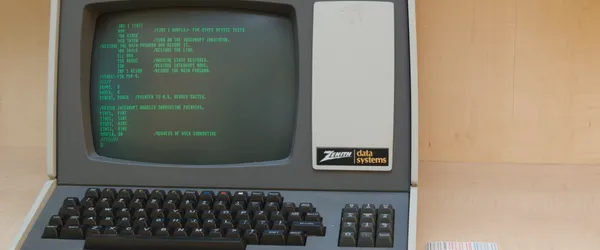
Computers are finally becoming personal
A holiday without a laptop highlighted how computing has shifted to personal, consumption-first devices. Reflections on the rise of tablets and smartphones and what that means for creators and openness.
-

Thingstreams - the future of product / consumer dialogue
As consumers engage more directly with each other, how to brands understand what is happening in the "backchannel"?
-

An Open Internet call to arms
Australia's proposed internet filter is winning the emotional argument, not the technical one. We need a voluntary one-day 'censor the net' demonstration to show the public what's at stake.
-

2010: The year the Netbook turns into the Web-book
Netbooks are drifting away from their lightweight roots, so 2010 should belong to web books and tablets. What are the traits of these network-first devices, and why they will reshape consumer computing?
-

2010 will be the year Apple and Google have a cage fight
2010 is going to be a cage match between Apple and Google for mobile dominance. With Android's rapid growth and iPhone's ecosystem pressures, the battle lines are clearly being drawn.
-

SPDY could gain acceptence - with some innovation
Google's SPDY could speed up the web, but browser upgrades alone are too slow. Gateway and router-level proxies are needed to accelerate adoption and deliver benefits to all sooner.
-

ICANN approves plan for new TLDs
ICANN opens the door for new top level domains, with a chance that the ubiquitous .com may become less relevant. .shop, .motor, .club anyone?
-

EEEPC's power is in the network not the machine
The EeePC is compelling not because of specs but because it is a lightweight tool that thrives on constant connectivity. A love letter to small, network-first computing.
-

Easy product or class rating system
Build a rating system that won't set your servers on fire.
-

Phorm over function?
Phorm's ISP-level tracking raises serious privacy concerns even if the data is anonymous. Opt-out tracking erodes trust and could spark a privacy-first backlash or new laws.
-
Can Yahoo really get things so wrong?
Yahoo's spam filters began deleting legitimate customer emails with no clear appeal path. Debugging the trail of why, and the frustration of opaque email filtering.