I gave this talk at Web Directions AI Engineering 2025. The slides from the talk are embedded below, and the full transcript of the talk with key slides is presented after that.
Scaling coding agents (without breaking your dev team) - (CC) ajfisher
A large version is available at aieng.ajf.io, the slides are available as a PDF download, and the supporting resources are collected at ajfisher.me/aieng/.
The full talk transcript follows:
Scaling coding agents (without breaking your dev team)
I work at the intersection of tech, business and experience, focusing on team performance systems for transformation and innovation.
As you can imagine, AI has rapidly become a huge part of what I work on with my teams.
So it’s been a pretty wild couple of years.
AI coding tools have gone from no good (and expensive), to good enough, and now cheap enough and effective enough to deploy at scale across teams.
From scarcity to abundance
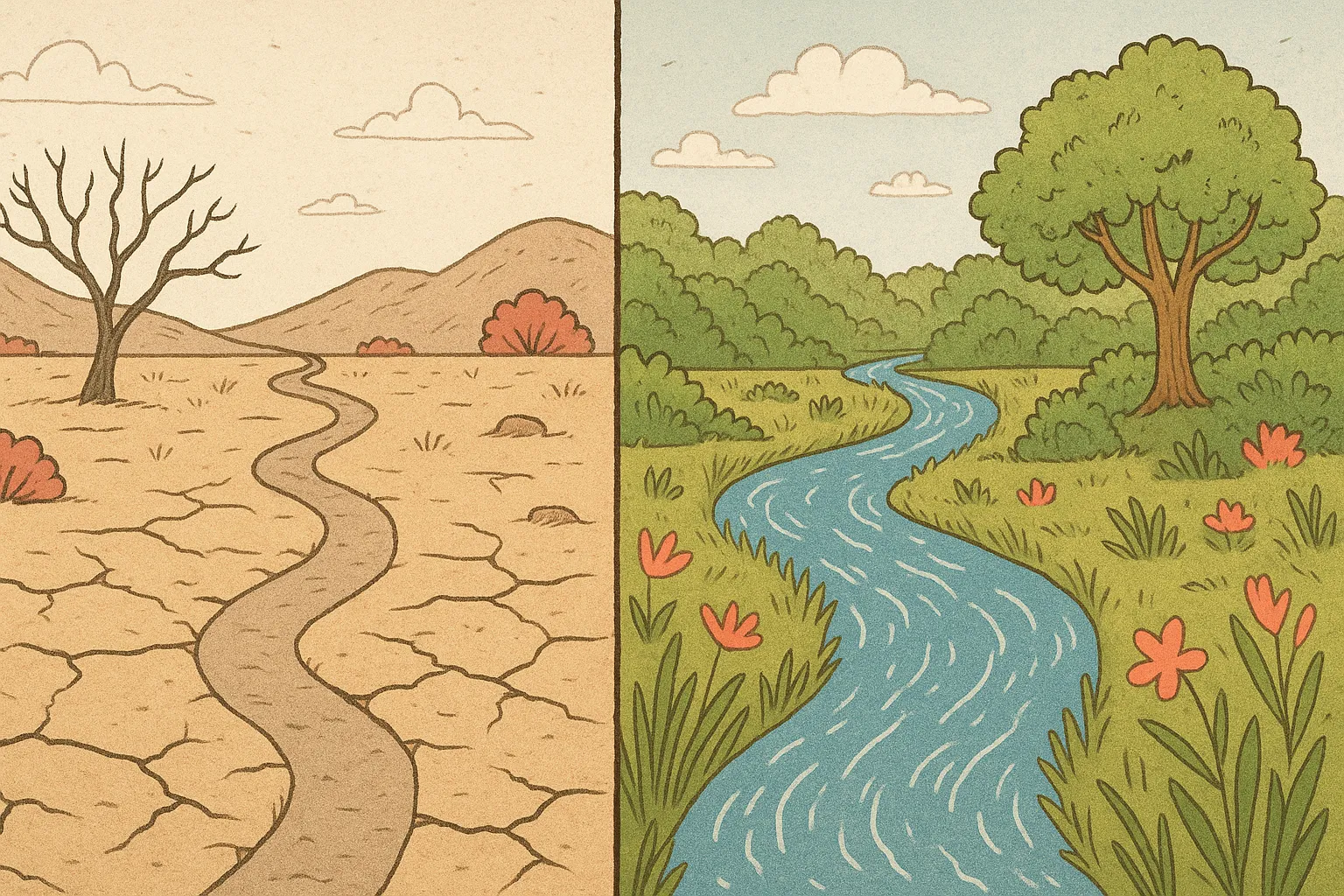 The world has moved to abundance, but we haven’t realised it yet. (cc)
ajfisher - ChatGPT / DALL-E
The world has moved to abundance, but we haven’t realised it yet. (cc)
ajfisher - ChatGPT / DALL-E
For 50+ years of software engineering, dev time has been the most precious, scarce commodity we had. Suddenly - almost overnight - we’ve gone from famine… to flood.
And this flood of capacity changes things dramatically.
But this isn’t the first time. History shows it happening again and again - but the Industrial Revolution feels the most similar to what is happening to us now.
History rhymes
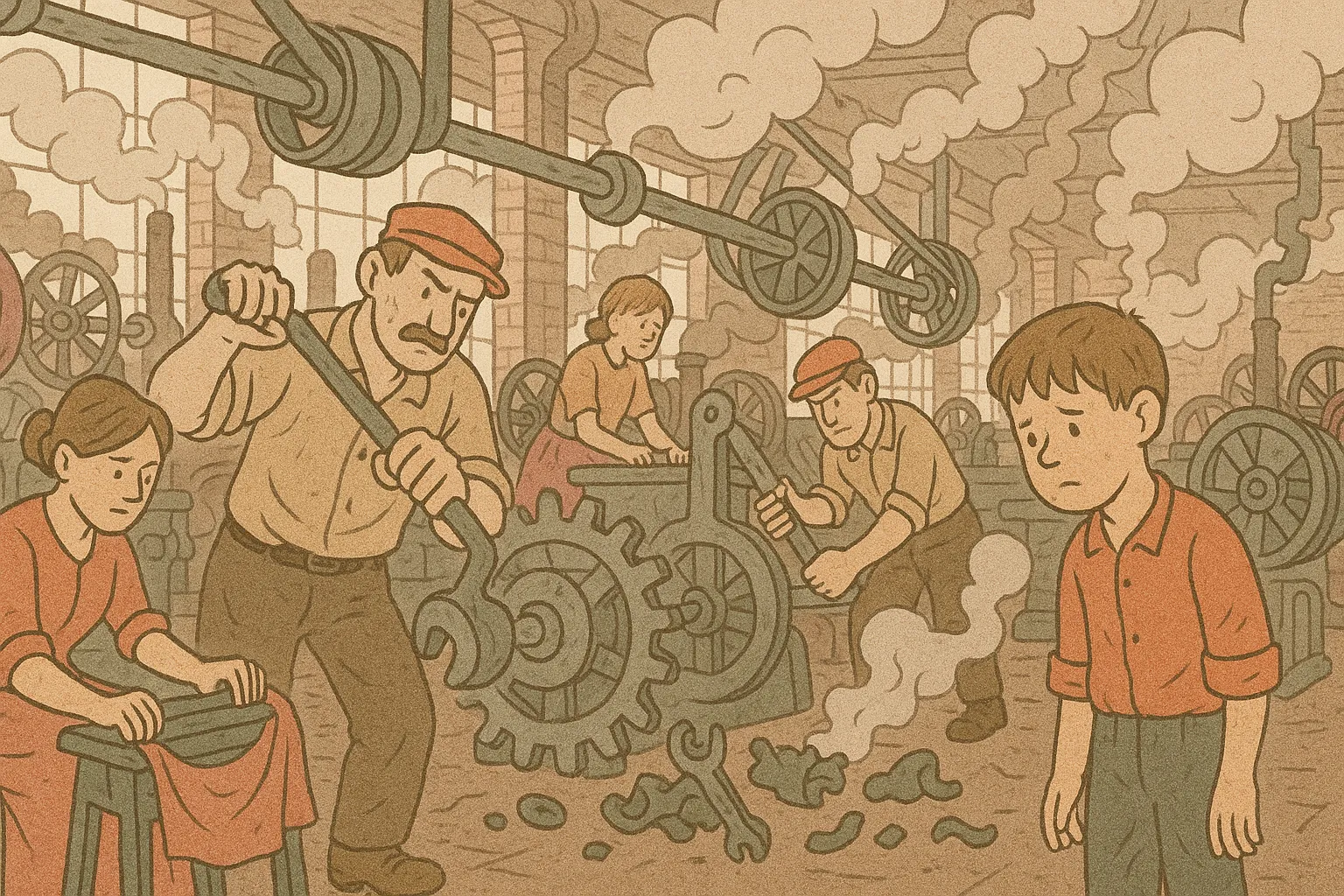 Mechanisation and AI have a lot in common. (cc) ajfisher - ChatGPT / DALL-E
Before mechanisation, goods were handcrafted and scarce. Output was linear - proportional to the skilled labour you could bring to bear.
Mechanisation unleashed chaos. Factories churned out shoddy goods, cities exploded overnight, professions collapsed, accidents maimed workers. Fast, messy, frightening.
Feels familiar? More merge conflicts, code sprawling everywhere, agents going rogue - same chaos, different century.
But out of that chaos came supply chains, labour laws, standardised parts, quality assurance, and management science.
We needed new systems to tame the chaos of abundance.
Outdated work systems
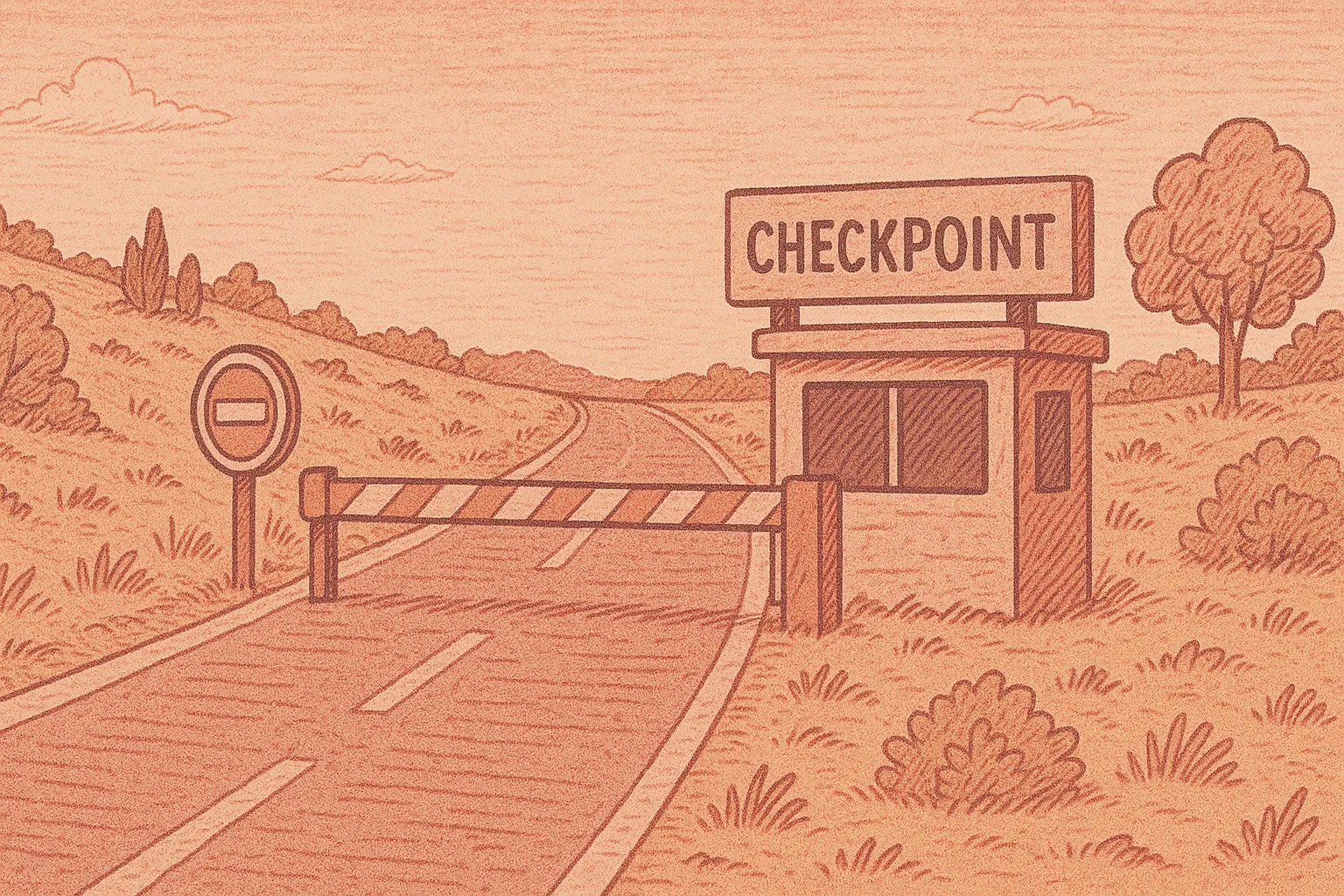 Checkpoints everywhere won’t work. (cc) ajfisher - ChatGPT / DALL-E
With the scarcity of developer time. Our systems evolved to protect it - filtering, prioritising, saying “no” more than “yes.”
Now that scarcity is being removed, those systems are less relevant.
As we shift into code generation abundance, we’ll be forced to redesign our systems to capitalise on it.
Agenda
- Making context cheap
- The right way is the easy way
- Orchestrate activity
So today’s focus is these three areas. Each one will help both your agents and your humans scale.
Making context cheap
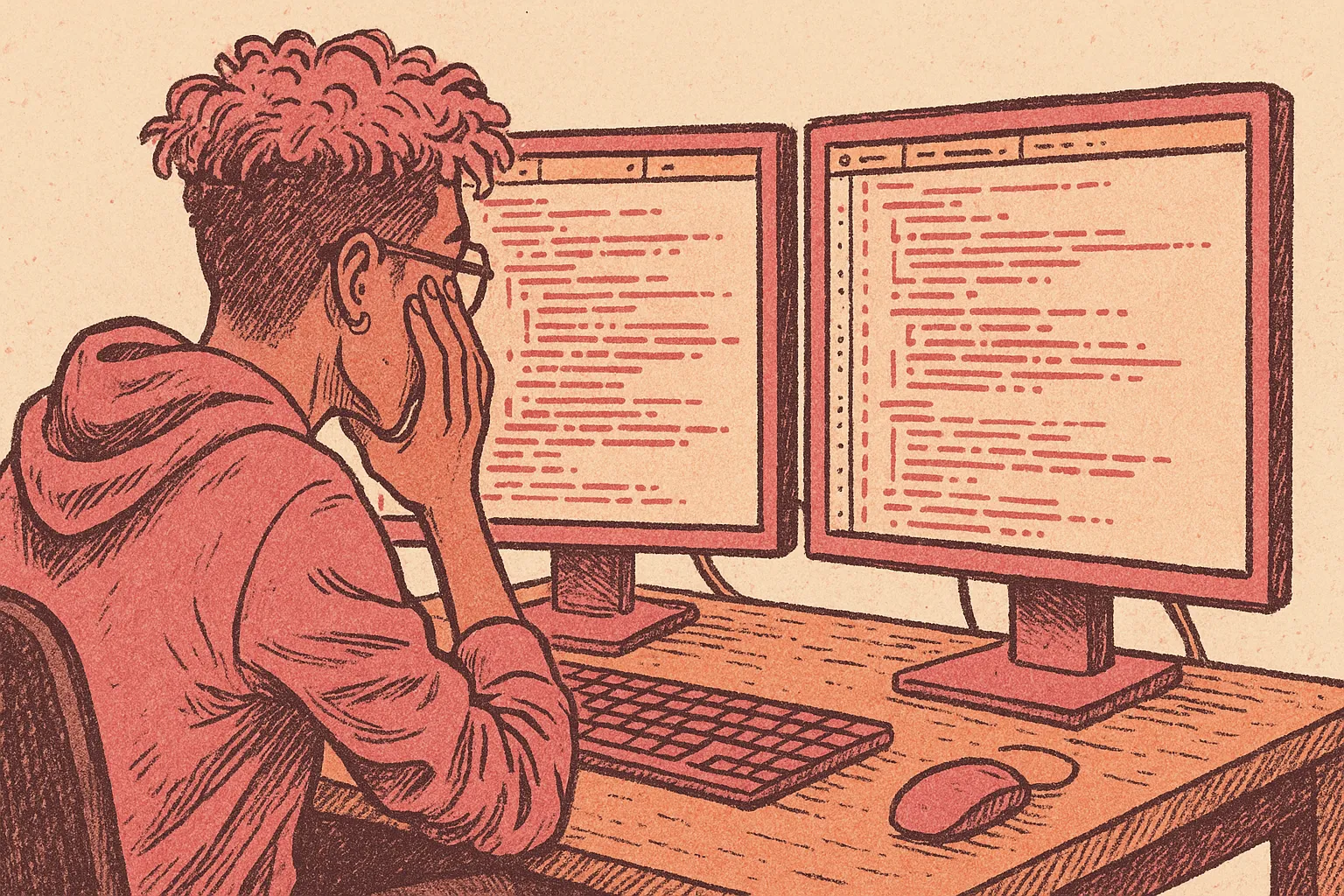 Reduce the code overwhelm for everyone. (cc) ajfisher - ChatGPT / DALL-E
Over the last 20 years, codebases have exploded in size and complexity. What once took a dev a day or two to onboard now takes weeks.
For a new mid-level engineer, that’s fine. For an agent? You’ve got about ten seconds before it goes off the rails. Can your systems deliver context that fast?.
If you don’t get them context instantly, they spin off into rabbit holes, burn tokens, and deliver junk.
So - need to build context faster, more accurately.
Context drivers
- Logical structures
- Deep documentation
There are two levers to pull: logical repo structures and deep, layered documentation.
Logical structures
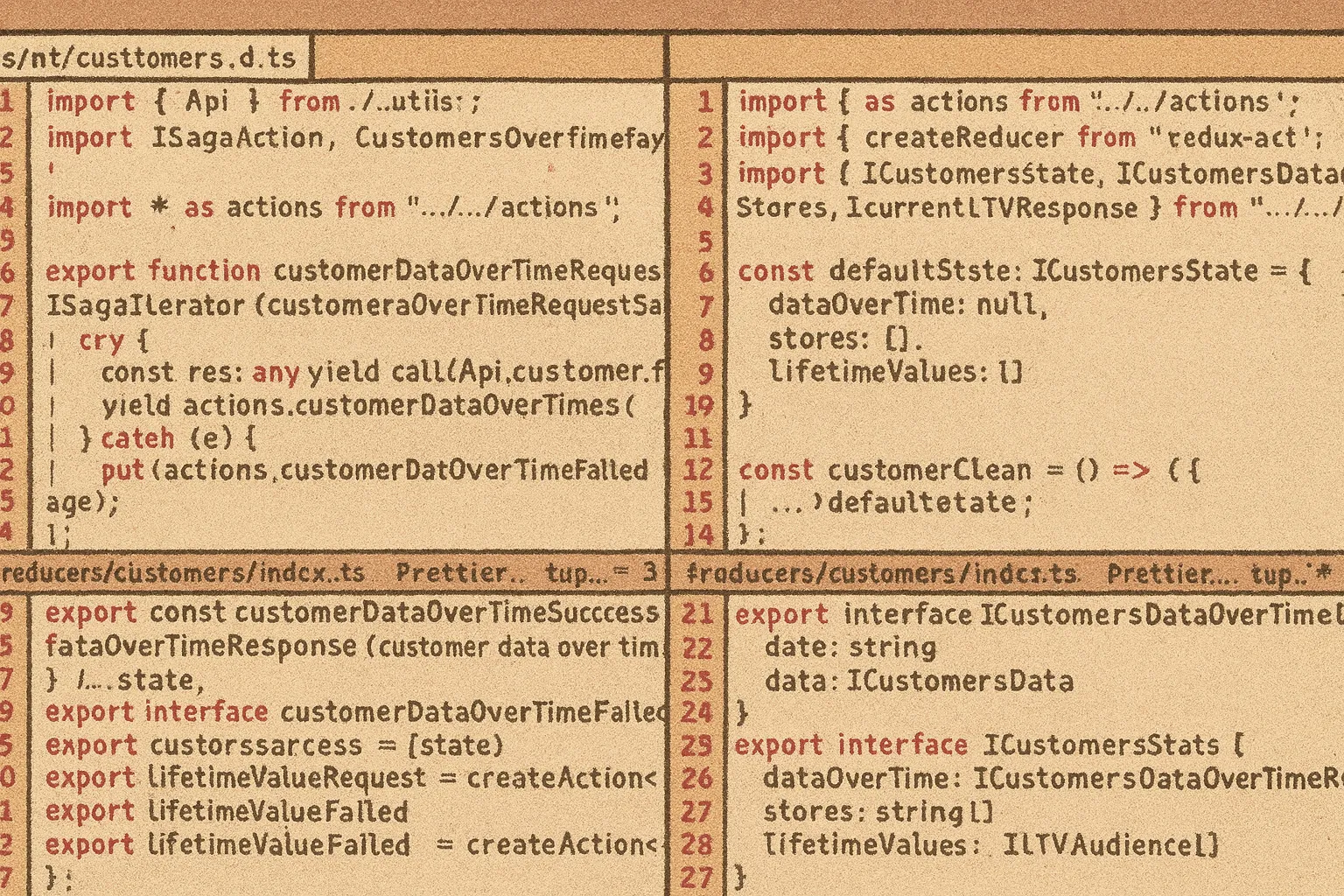 Make code easy to contextualise. (cc) ajfisher - ChatGPT / DALL-E
Agents are bad at spanning repos. Helper libs are invisible to training data. Just like a dev staring at an import and asking: “What is this? Where are the docs?”
So we need to adopt a monorepo mindset. Co-locate what belongs together. Clear app delineation, shared libs, utilities.
And watch file sprawl - in JS land, a single button might mean one file for the component, another for types, another for routes. For humans it’s annoying; for agents it’s confusing. Sometimes it’s better to scroll more and give them the whole picture in one place.
A rule of thumb: if a change routinely spans three or more files just to “see the picture,” co-locate them.
Deep documentation
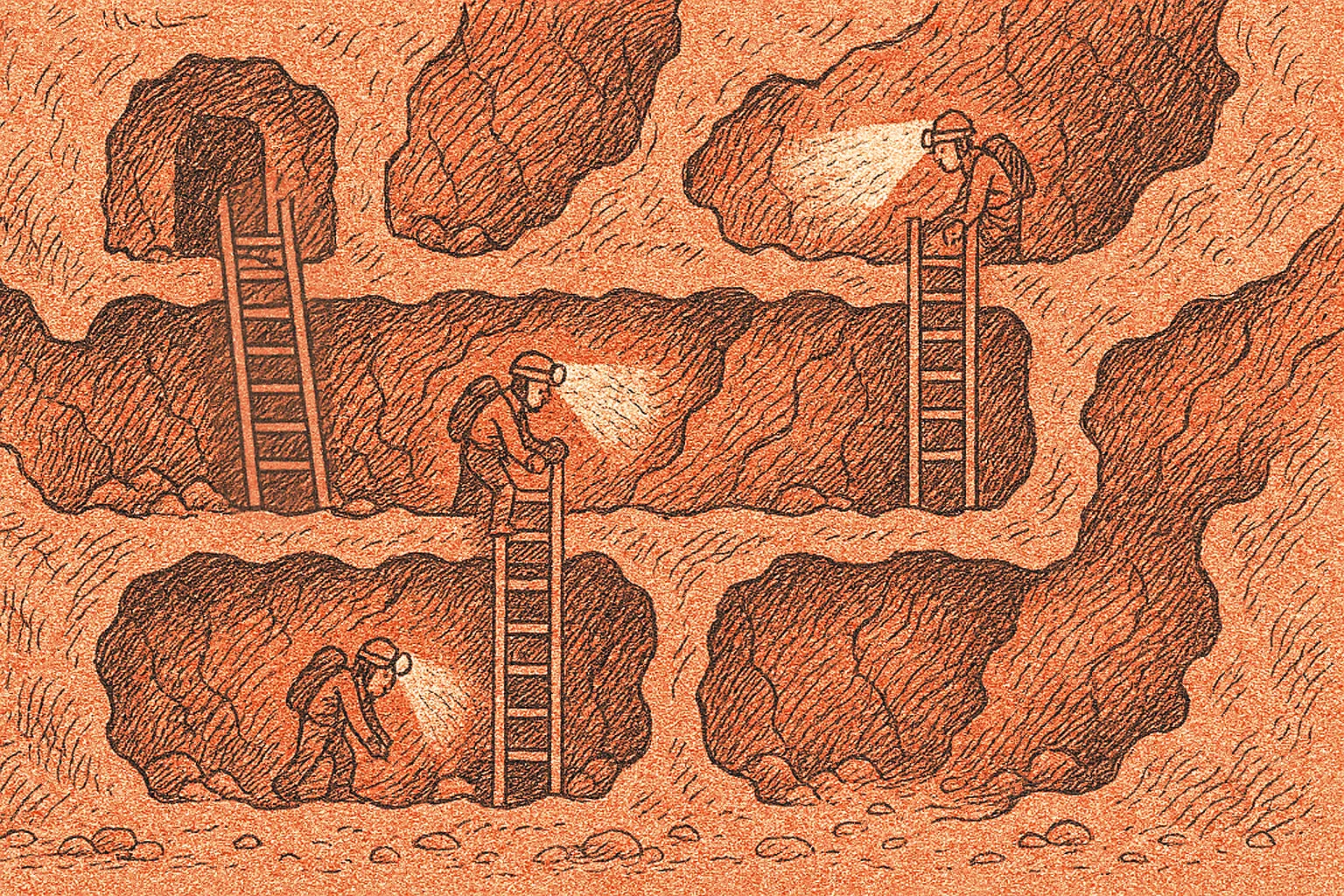 Documentation ladders help with depth. (cc) ajfisher - ChatGPT / DALL-E
Docs should zero in humans and agents alike. Think of it like a ladder leading you down into your codebase:
- Root README (run sheet)
- App/component READMEs (how-to)
- JSDoc/PyDoc (why/how at the code seam)
This layering helps get everyone up and going fast.
Every tool wants you to have an agents file as well. These are fine, but they are for quirks you’ve seen agents struggle with. Agents and humans look at the readme - agents files are to specifcally nudge code agents in a particular direction.
Homework
- Build documentation ladders
- Validate completeness
Obviously where you’re deficient you can use agents to help produce docs and your code assistants to produce things like in-code JS Doc or Pydoc info. That speeds things up.
Once that’s in place, get an agent to sanity-check: “Are these docs still valid?” They’ll flag drift, you apply the expertise. Everyone gets the benefit
And with that we’ll look at tool use and automation.
The easy way should be the right way
 Make it easy and development will follow. (cc) ajfisher - ChatGPT / DALL-E
How often does someone forget conventional commits? Or not run the schema build script for validating API payloads? Happens all the time.
Culture and team norms fill the documentation gap for humans. Agents don’t have culture.
So you need systems to drive these behaviours for consistency as consistency enables scaling:
Automation > documentation
make clean && make install && make dev
That should be all it takes to spin up a dev environment.
Docs are a suggestion. Scripts are a guarantee.
If twenty grads joined tomorrow, you could hand them a wiki page and hope… or a script that just works. Same with agents.
Every common action needs a script or CLI command.
Then you add it to your README file so all developers know it exists and what it does and when you might use it.
Output good help text. So humans and agents alike can recover when something goes wrong.
Hooks for quality
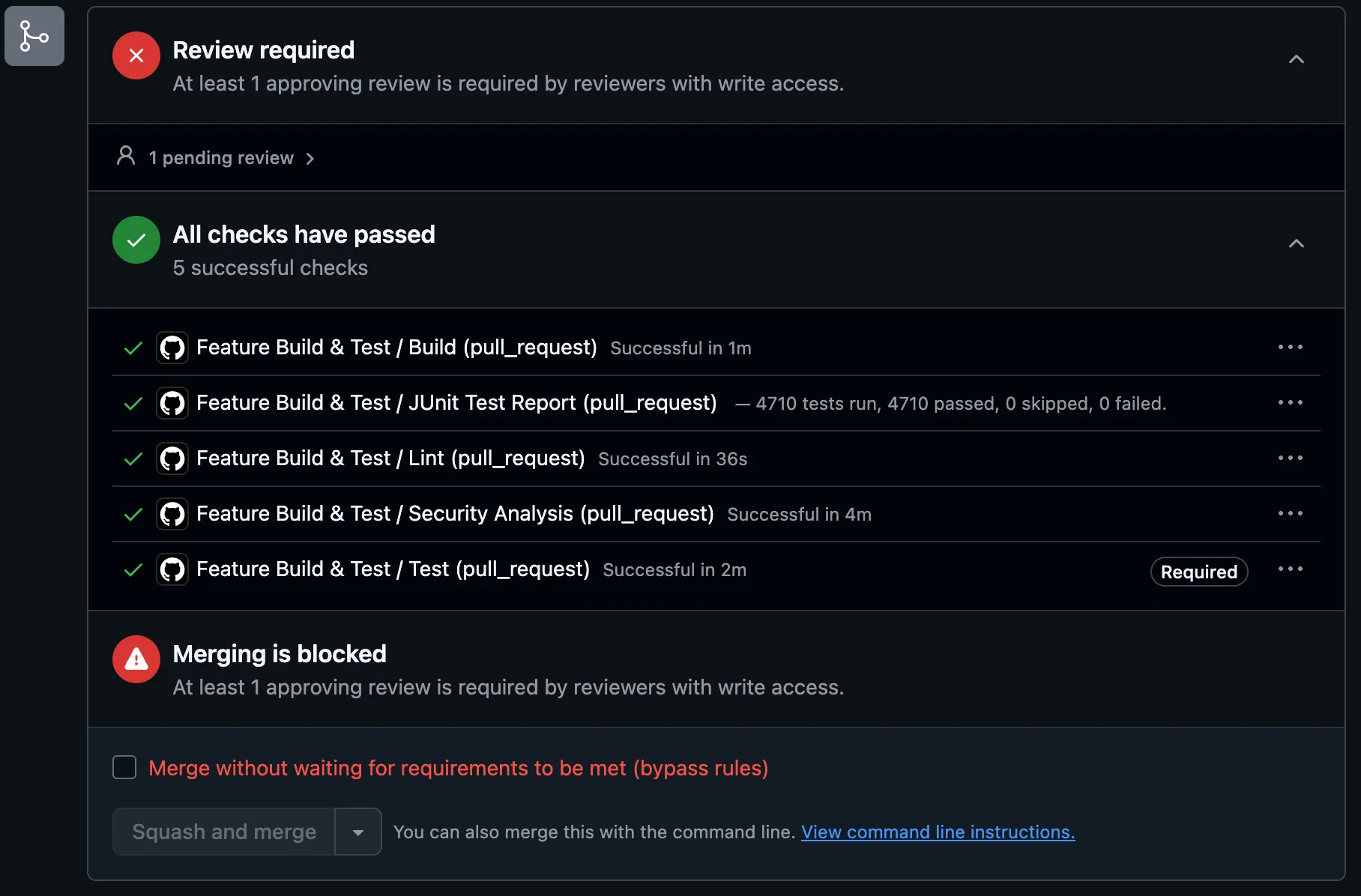 Add code checks where you can in the process. (cc) ajfisher
Add guardrails right where code gets created such as Linting and tests on commit. But we want to do deeper checks on push — vuln scans, static analysis and this should happen somewhere else.
Use red flags for risk:
- Package changes
- New external URLs/hosts
- New shell commands
As things scale up reviewers need alarms, not Easter eggs.
Reference patterns
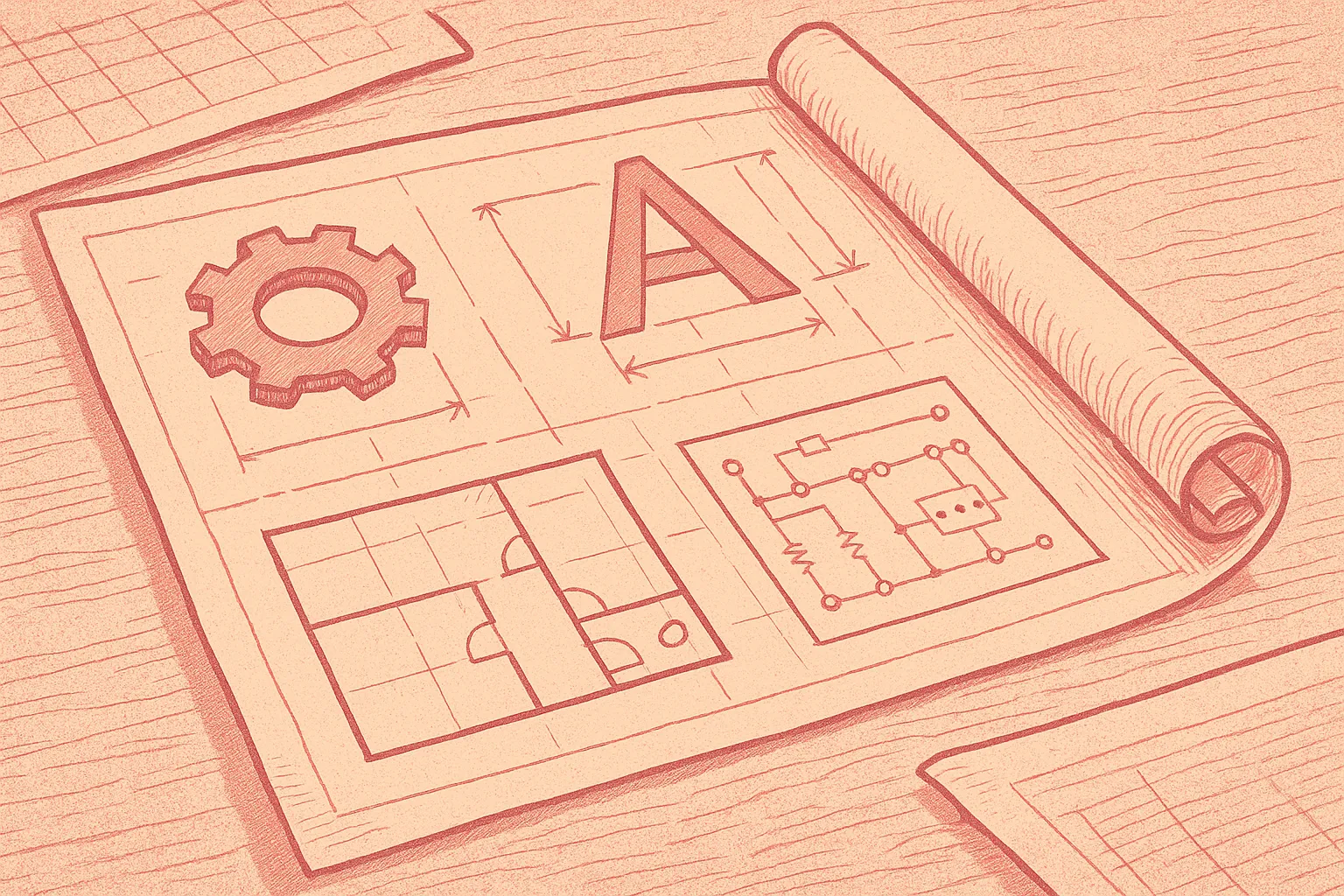 Develop reference patterns to guide best practices. (cc) ajfisher - ChatGPT / DALL-E
Reference code shows both humans and agents “this is how we do it.” It’s style transfer - a superpower for LLMs but really handy for new members of the team too.
Consistency helps humans and agents alike.
Skeletons, boilerplates, templates: they save time, reduce variance, and make reviews faster.
Homework
- Scripts for common tasks
- Local and remote hooks for quality
- Build boiler plate / reference implementations
Here’s a few things you might want to consider as homework
Now lets turn our attention to getting agents to use all this structure and tools to build things with us.
Orchestrate work
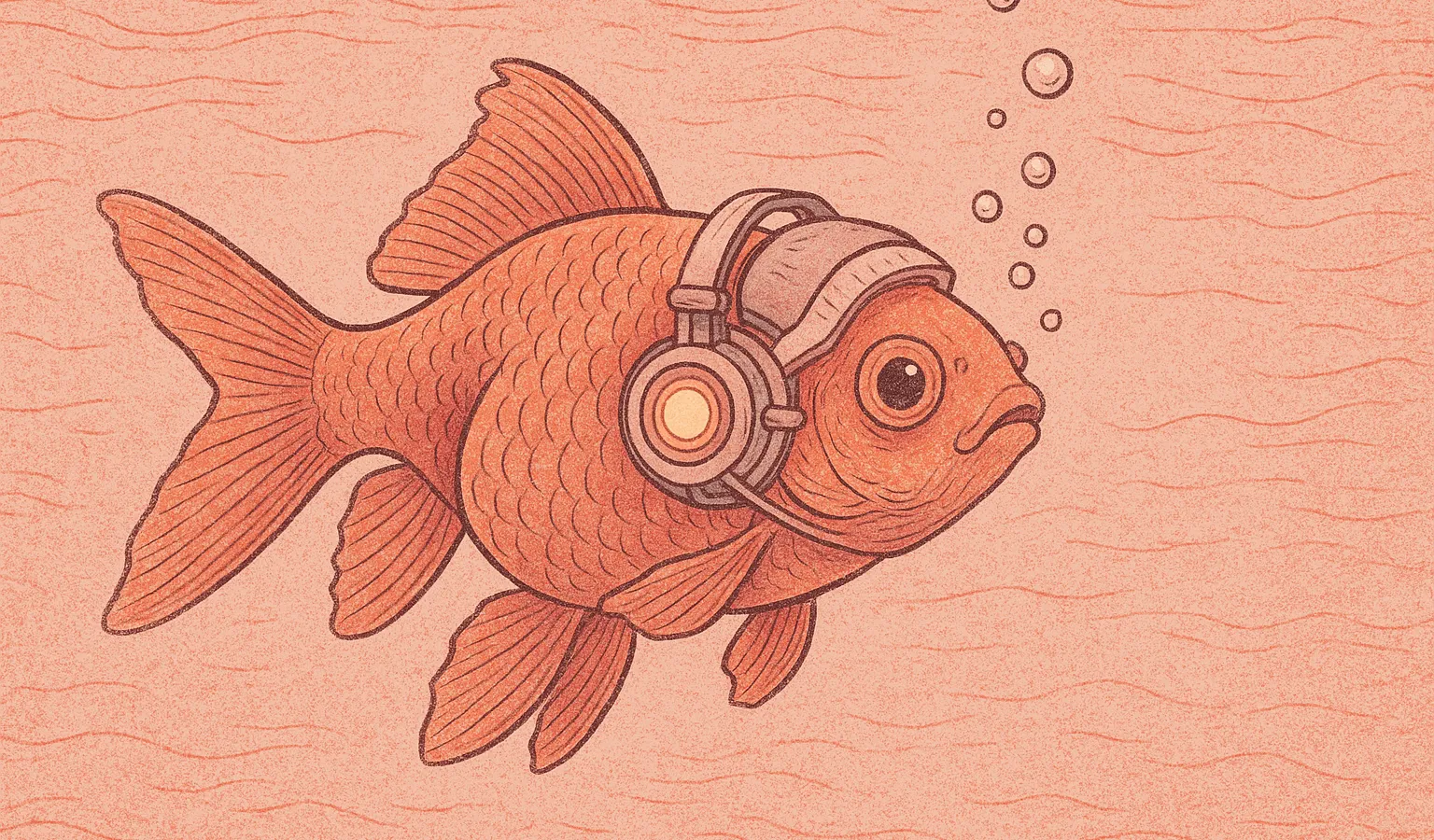
 Herding goldfish is the new job. (cc) ajfisher - ChatGPT / DALL-E
Now let’s talk about the work itself.
Every dev is about to become an agent herder. And it’s nothing like managing people.
You’re asking developers to manage a school of super-intelligent goldfish, with the lifespan of a fruit fly.
That’s coding agents: brilliant, forgetful, relentless, ephermeral.
If everyone spins them up ad hoc, you’ll drown in chaos and merge conflicts.
The answer to this is orchestration to help tame the chaos.
Microtasks
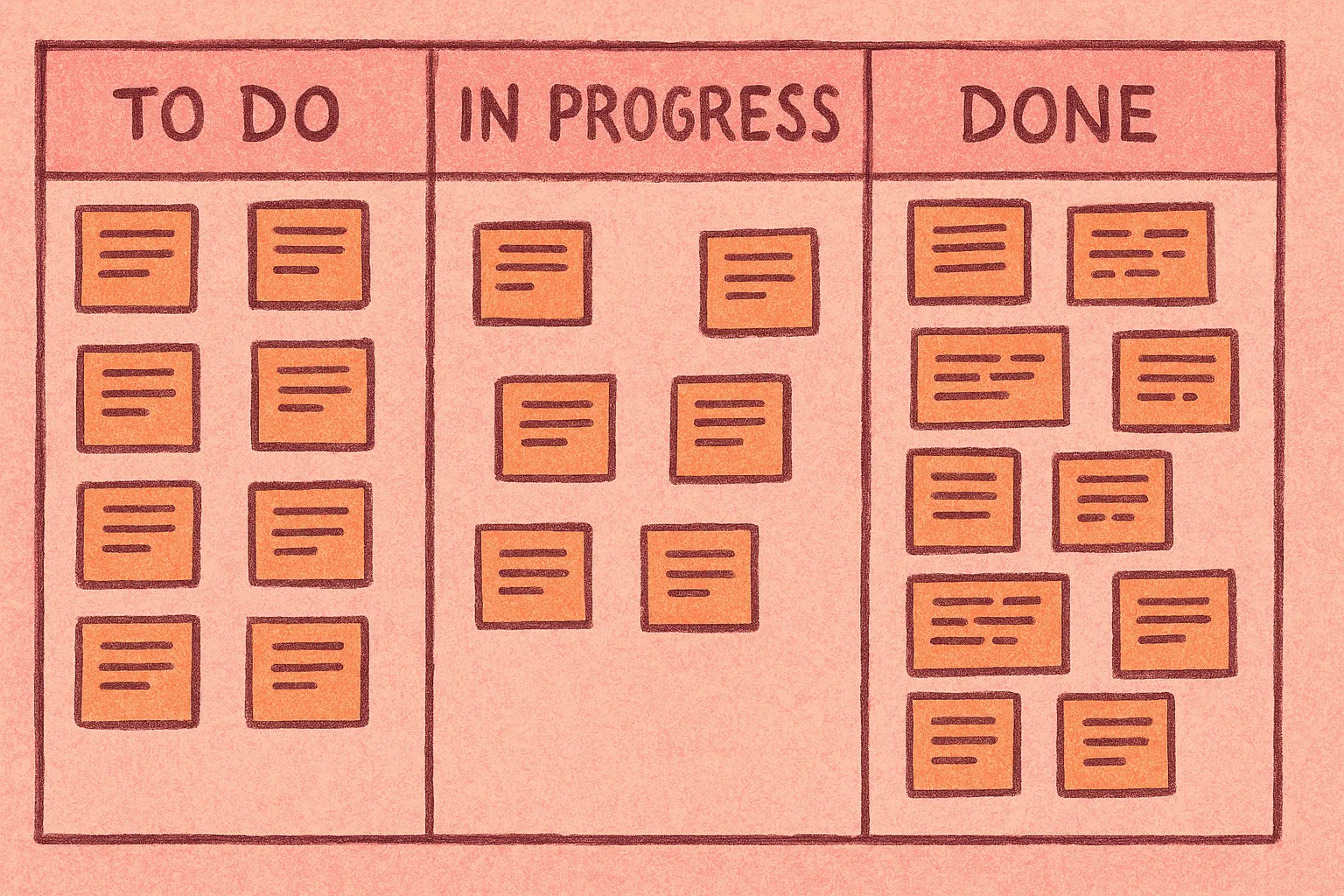 Small tasks that can be worked on independently. (cc) ajfisher - ChatGPT / DALL-E
Agents have tiny context windows and no memory. Keep tasks small and tightly defined.
Big, vague jobs? They wander. Like the time I asked Gemini to refactor React components into Astro. It wandered off building new components I didn’t ask for.
The fix? Smaller scope, clearer outputs, faster iteration loops to give feedback.
Parallelism
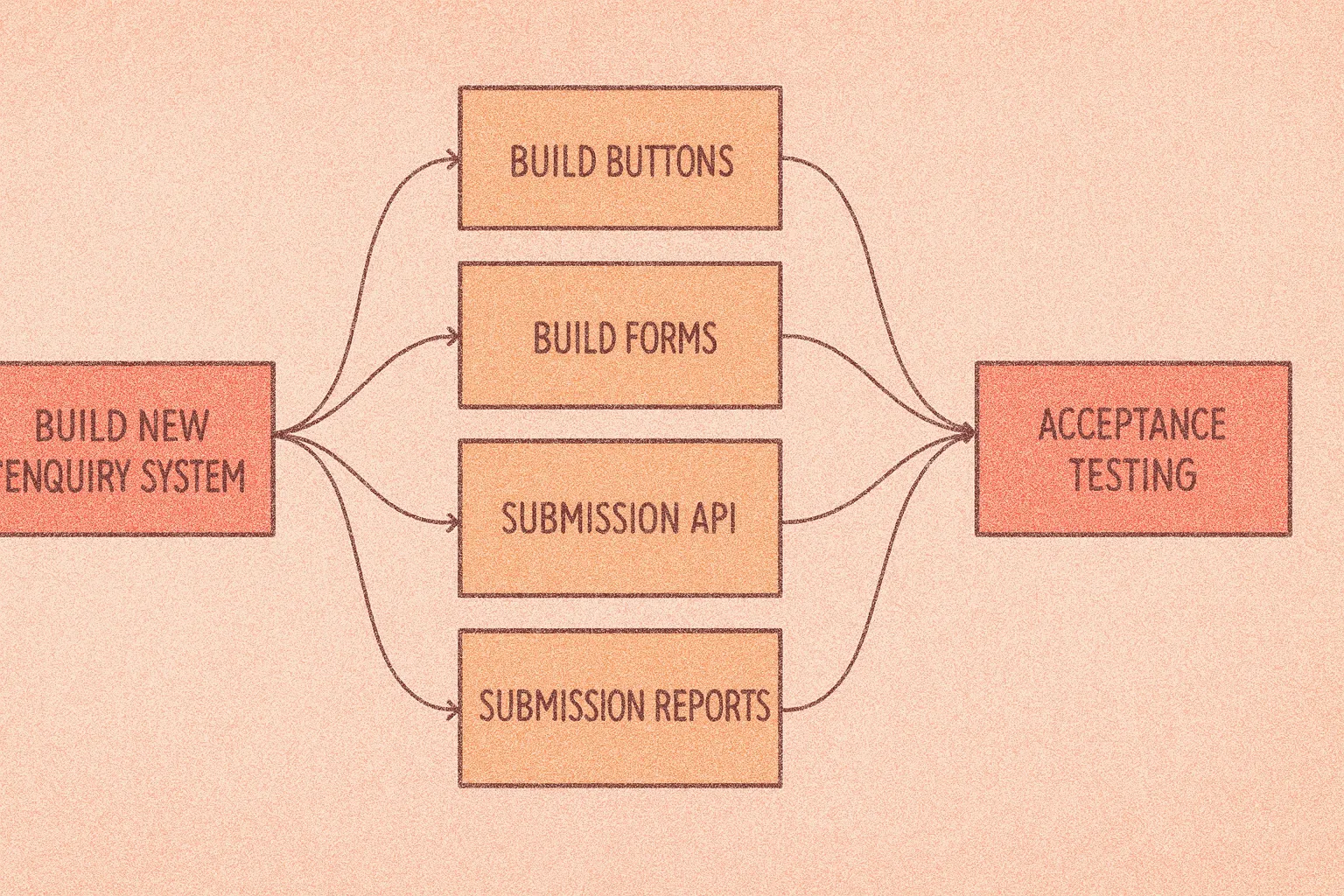 Work on things together. (cc) ajfisher - ChatGPT / DALL-E
Once you’ve got microtasks, run them in parallel. Different agents, different tasks. eg API backend and front end changes.
Converge them in a consolidation branch.
Use common PRDs or specs to help link the microtasks together. Some tools can do this like Claude Code - others not so much.
How much parallelism makes sense is a feel question, but this is what drives a big chunk of speed improvements in your team.
Coordination
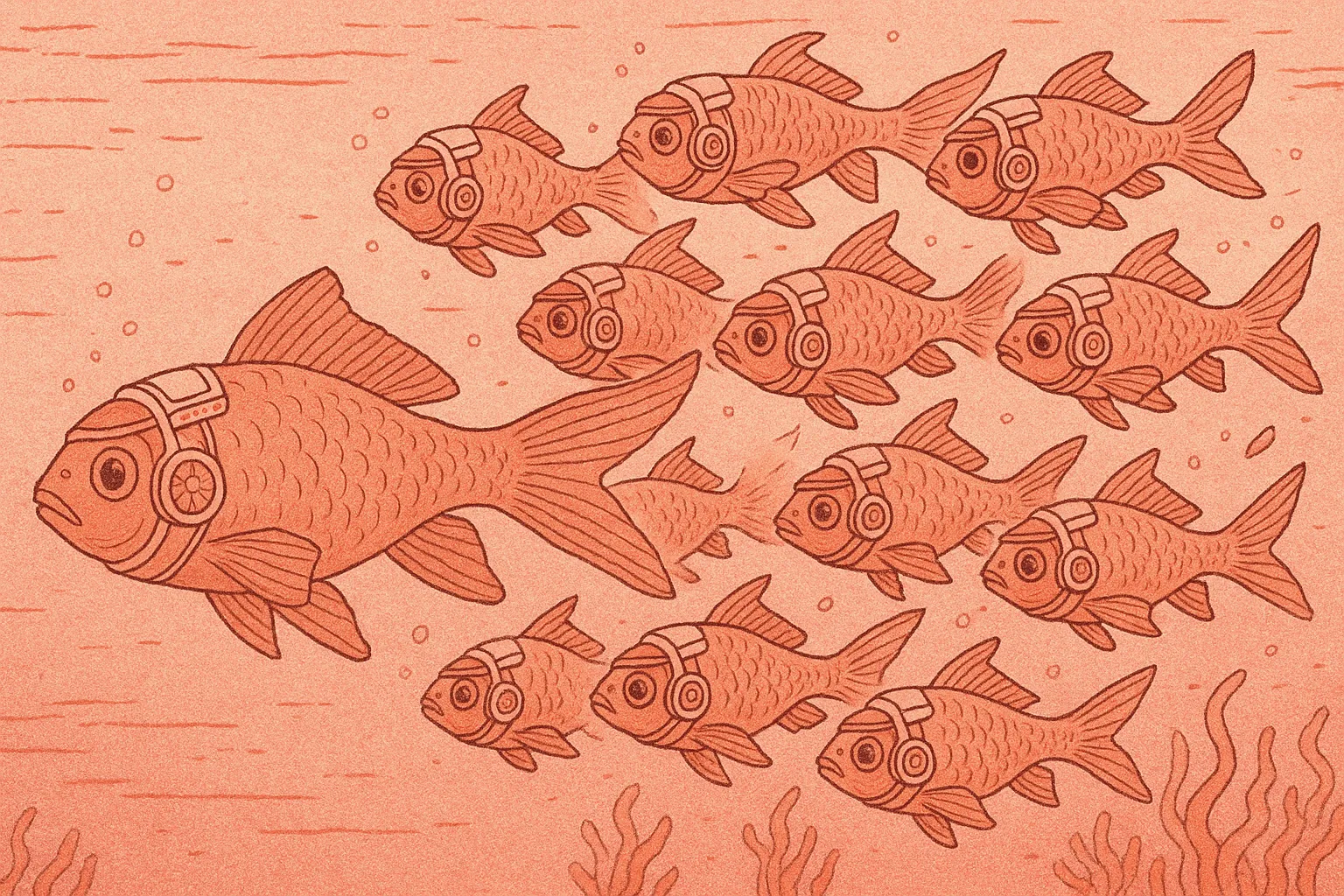 Get everyone / thing going in the same direction. (cc) ajfisher - ChatGPT / DALL-E
Finally, coordination.
The goal: turn that school of goldfish into a shoal - all moving the same way, not darting randomly bumping into each other.
Macro-tasks still need humans to coordinate with each other. Then the engineer orchestrates microtasks and parallelism underneath.
As your scale picks up, it means ever more coordination between the engineers because an agent isn’t going to ask on Slack, “Hey, is anyone working on this file?” That’s still on us as humans to plan.
My teams are investing a bit more time in planning as a result.
Summary
- Making context cheap
- The right way is the easy way
- Orchestrate activity
So, three ways to scale code agents without breaking your team.
Thriving in abundance
 Humans + agents is the goal. (cc) ajfisher - ChatGPT / DALL-E
We’re moving from scarcity to abundance for code generation. That abundance will force us to redesign our systems.
It’s not about replacing engineers. It’s about building systems so humans and agents can do more together than either could alone.
If we build these systems well then they will help us get on with tackling the big challenges of our organisations and deliver better experiences to our customers.