
Topic related posts
-

Chrome finally adds split view tabs
Split View for tabs arrives in Chrome, making side-by-side work and note-taking far easier than juggling windows.
-

Making the move to metalsmith
I moved this site from WP to metalsmith.io in order to get a more pure authoring experience. The result is good, though there were a few gotchas along the way.
-

The meandering journey of NodeBots Interchange
What started as a plan to simply make components work a bit better with NodeBots turned into a way of managing any firmware using JavaScript.
-

Datatium - data as material for contextually responsive design
Responsive design is still very screen size focussed where as we should be considering context much more than we do. This talk explains how Datatium helps resolve this.
-

DDD JavaScript IoT workshop
A summary of the various projects completed as part of the JS IoT workshop given at DDD Melbourne 2015.
-

The role of context on ambient technologies
Ambient technologies are very hard to design well. A blinking light for a new email is novel for a few minutes before quickly becoming a distraction. This essay provides a model for thinking about ambient technologies and how a designer may maximise their use.
-

A Device API safari
There are many interesting things to be found in the Device API. This talk went on a journey to see what we could find worth playing with.
-

Should JavaScript devs build real things?
JavaScript is leaving the browser and entering the real world. Is this just a bunch of web devs playing with hardware or are we starting to see a fundamental shift in the direction web technologies are taking?
-

Book launch of Jump Start Responsive Design
Working on my first book was quite good fun, though hard work, and today after all of that effort it's finally released.
-
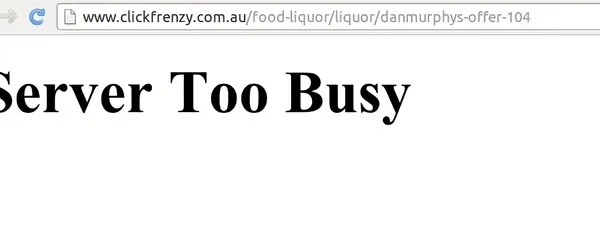
The ClickFail of Australian Retail.
The coming of age of online retail in Australia crashed and burned in Australia tonight due to lack of preparation and hubris. It could have been so different.
-

Datatium - a material to create responsive experiences
Device responsive design is only one part of context. These are the sketch notes that underpinned a talk at WDS2012 on the wider aspects of using data in responsive design approaches.
-

Web Facilitated Play in the Real World
How can physical interaction with digital media augment the experience of both and what part does the web have to play in this space?
-

App stores are delivery channels not search engines
The main purpose of the app store is not discovery, it's to simplify the installation process to get an app on your device. Discovery continues to happen through other channels.
-

We are the champions... of the web
The "problem" with the web is it's lack of control, but it doesn't need control, it only needs an unruly mass of champions to defend it and let the process unfold to win.
-

Neo-Futurism in the Information Age
Finally the gloom of the GFC appears past and the web community are attempting to dream big ideas again - a summary of WDS11.
-

On a post-flash world and Adobe's place within it
Sacred cows in the Adobe world finally appear to be on the BBQ. Recent signals from the tooling company suggest Flash may finally be about to die - and not too soon.
-

Device API - Applications of DeviceMotion & DeviceOrientation
Modern smartphones are jam-packed with sensors attached to them. This data is now available for use in the mobile web browser too. Here's some things you can do with them.
-

The web of intent
Web applications could handle common tasks such as sharing or pinning using an Intent oriented design.
-

Thingstreams - the future of product / consumer dialogue
As consumers engage more directly with each other, how to brands understand what is happening in the "backchannel"?
-

Why Google is a more "typical" business than you think
Google's move away from Windows is less unusual when you map roles to browser-based work. Most staff are information or service workers, so web apps reduce OS dependency and reshape desktop strategy.
-

Adobe - Narayen's kingdom for a plan...
Adobe's Flash-era dominance is crumbling under mobile pressure and a lack of strategic focus. Adobe needs a hard reset. Drop bloated products, focus on core tools, and innovate fast.
-

SPDY could gain acceptence - with some innovation
Google's SPDY could speed up the web, but browser upgrades alone are too slow. Gateway and router-level proxies are needed to accelerate adoption and deliver benefits to all sooner.
-

Case Study: Django + Agile = Sportsgirl redevelopment
A rapid Sportsgirl community rebuild used Django, Pinax and an agile workflow to ship in under eight weeks. The case study covers the stack, cloud deployment and performance tuning that made it work at scale.
-
The Golden Age of mobile? Soon maybe...
With smartphones, data plans and app stores exploding in 2009, it feels like the golden age of mobile is near but not here yet. The real shift will come with contextual and augmented reality experiences.
-

How Google can combat the flu
Huge, real time data sets can provide leading indicators of disease spikes well before they become evident to traditional sampling methods. Could Google search data be a new tool for epidemics.
-

ICANN approves plan for new TLDs
ICANN opens the door for new top level domains, with a chance that the ubiquitous .com may become less relevant. .shop, .motor, .club anyone?
-

Easy product or class rating system
Build a rating system that won't set your servers on fire.
-
Phorm over function?
Phorm's ISP-level tracking raises serious privacy concerns even if the data is anonymous. Opt-out tracking erodes trust and could spark a privacy-first backlash or new laws.
-

Can Yahoo really get things so wrong?
Yahoo's spam filters began deleting legitimate customer emails with no clear appeal path. Debugging the trail of why, and the frustration of opaque email filtering.
-
Why industries can still be revolutionised on the web
Too many industries still ship broken, confusing websites, which means basic design and information architecture can still be disruptive. The web still has plenty of room to be rebuilt.
-
The state of Oz technology
From mobile data to broadband and open-source adoption, Australia's tech scene feels stuck compared to Europe. Why progress is stalled and it needs a reset.
-

The warm glow of site launch
A site launch brings equal parts exhaustion, relief and adrenaline, and it's a feeling shared across all engineering disciplines. Reflections on teams, pride and shipping real work into the world.
-
My top 5 jQuery seasonal wishes
jQuery is a joy to use, but a few missing pieces still hurt productivity. Festive wishes includes better docs, a wait function, fadeToggle, display-state helpers, and easy DOM access.
-

SMS Bamboozlement...
A client nearly derailed a simple SMS donation idea after being dazzled by more advanced services. Focus on building what solves the problem first, then add sophistication later.
-

.NET / XSLT and how to import an external XML document
Loading external XML in XSLT on .NET is harder than it should be. This note explains the resolver you need and the document() approach that returns a proper nodeset instead of just text.
-

Fuzzy logic could book more flights
SQL makes logic easy for developers, however it also creates boundary issues when it comes to sales price matching. Fuzzy logic could help resolve this problem.
-

Bye bye OpenMoko
Google's new mobile OS feels like a missed opportunity to support existing open-source platforms such as OpenMoko. It adds more fragmentation to an already messy mobile ecosystem.
-
CSS Structure - what a mess
CSS files are flat and verbose, forcing ever-longer selectors just to get specificity. A more structured, nested syntax (and variables) would make stylesheets that are easier to author and maintain.
-

JQuery Slideshow
A client request for a simple, maintainable slideshow led to a jQuery-based fade sequence instead of Flash. This walkthrough explains the setup and why jQuery's animation API makes the solution quick and reusable.
-
JQuery saves the day?
jQuery's selector engine brings CSS-like power to JavaScript and solves real-world layout problems without littering HTML with extra classes. Used sparingly, it enhances interfaces while keeping pages accessible.